
Canada deepens ties with EU, but not an associate member
Prime Minister Mark Carney said Canada will enter a closer association with the European Union, covering trade, AI and security, but the EU’s treaties prohibit non‑European states from becoming members.
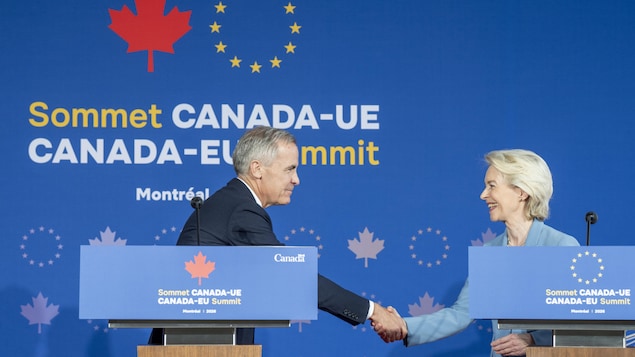
After two days of talks in Montreal, Canadian Prime Minister Mark Carney announced on 30 October 2026 that Canada will enter a closer association with the European Union. The joint declaration signed by the 27 EU member states and Canada does not use the term "associate member" but refers to a "closer association" that will span trade, artificial intelligence, critical raw materials, energy, security and defence.
The declaration also notes that both sides agreed to broaden standards for studies, work and research for Europeans and Canadians, and that the European Investment Bank will finance Canadian strategic resources, including critical raw materials.
European Commission President Ursula von der Leyen clarified that the term does not imply EU accession, stating, > "Un pays situé en dehors de l'Europe ne peut pas adhérer à l'Union européenne." She added that EU treaties prohibit full membership for non‑European states.
European Council President António Costa said, > "Nous partageons une responsabilité spéciale de le défendre," linking the alliance to a shared duty to protect the rules‑based international order amid rising protectionism and U.S. tariff threats under President Donald Trump since 2025. Within the EU, some members, including Germany, have reportedly opposed the "associate member" label, calling it a red line.
Quebec Premier Paul St‑Pierre Plamondon did not attend the summit due to a dispute with the federal government. He was invited but barred from speaking, a move he rejected as disrespectful. Quebec’s chief diplomat Pascal Paradis attended in his stead and met von der Leyen on the sidelines.